Breaking Myths: Common Misconceptions About Women Empowerment


Understanding Women Empowerment
Women empowerment is a vital topic in today's society, yet several misconceptions persist. Understanding these myths is crucial for fostering genuine equality and support. Let's delve into some common misunderstandings and shed light on the truth.

Myth 1: Women Empowerment is Only About Women
A prevalent misconception is that women empowerment concerns only women. In reality, it benefits everyone. By promoting equality, we create a more balanced society where all individuals have the opportunity to thrive. Empowering women leads to healthier families, stronger communities, and more robust economies.
Myth 2: Empowerment Means Demeaning Men
Another myth suggests that empowering women involves diminishing the role of men. This is far from the truth. Women empowerment seeks to provide equal opportunities without undermining anyone. It’s about collaboration and mutual respect, not competition.

The Economic Impact of Women Empowerment
Empowering women is often mistakenly viewed as a social issue rather than an economic one. However, studies show that gender equality can significantly boost economic growth. Women in leadership positions contribute diverse perspectives and innovative solutions, driving businesses and economies forward.
Myth 3: Women Empowerment is Only a Western Concept
Some believe that women empowerment is primarily a Western idea. In truth, the movement is global, with efforts and successes visible across various cultures and societies. Women worldwide are advocating for their rights and making strides in diverse fields, from politics to technology.
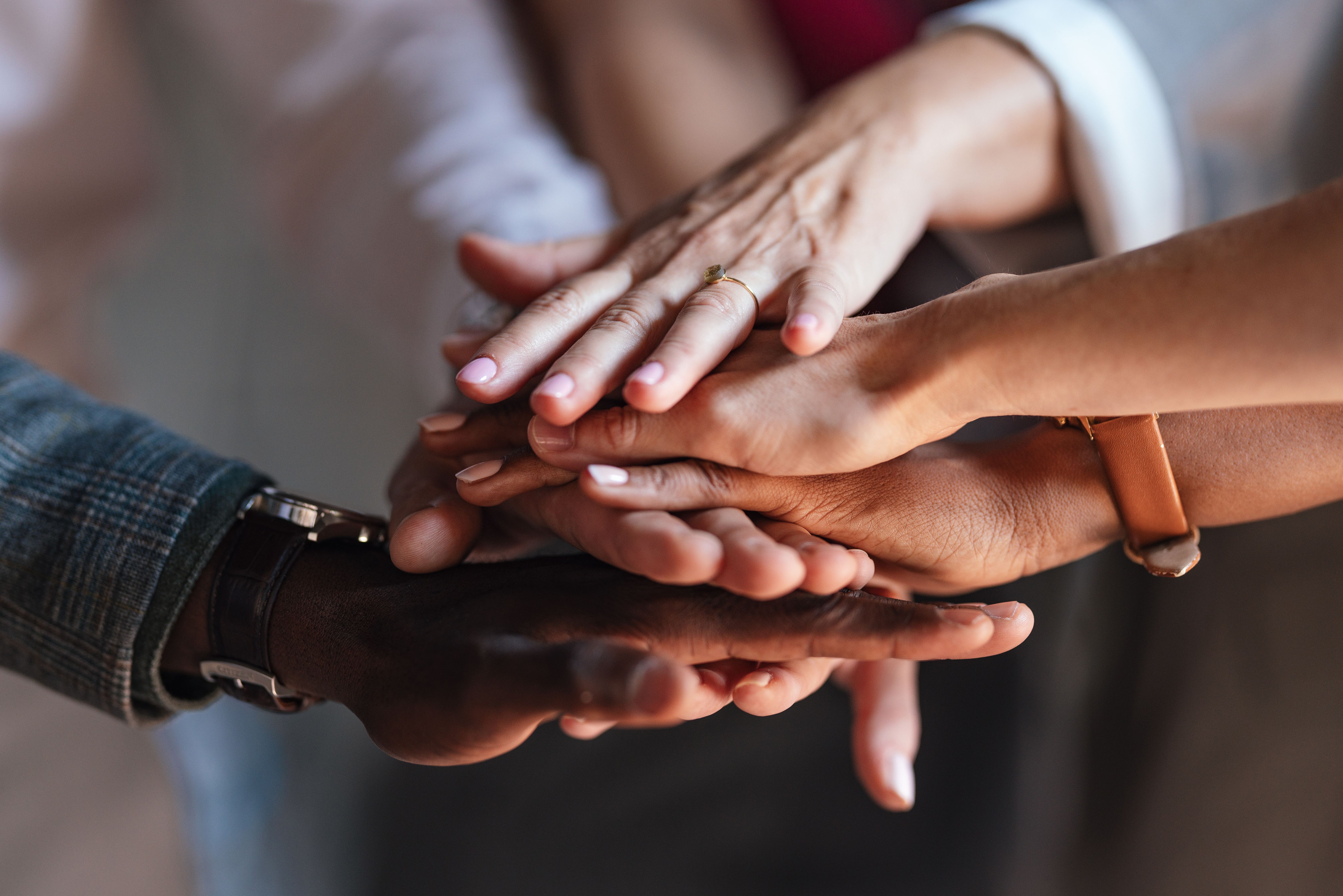
Breaking Down Stereotypes
Challenging stereotypes is an essential part of women empowerment. Many people still hold outdated views about gender roles, which can hinder progress. By addressing these biases, we can create an environment where both women and men can pursue their ambitions without limitations.
Myth 4: Women Don’t Support Other Women
Contrary to popular belief, women often support each other in achieving empowerment. Initiatives and networks led by women are proliferating, providing mentorship, resources, and encouragement. This solidarity is a powerful force for change.

Conclusion
Breaking these myths is crucial in the journey toward true empowerment. By understanding and addressing these misconceptions, we can pave the way for a more equitable and inclusive future. Empowerment is not just a goal but a continuous process that benefits everyone.